What Oncology Nutrition Addresses and How It Supports Individuals in Clinical Care
A cancer diagnosis sets off a long medical process — surgery, chemotherapy, radiation, immunotherapy, sometimes all four in sequence. Each of these treatments places real physiological demands on the body, and one of the most common, least-discussed consequences is that patients simply stop being able to eat the way they used to. Appetite changes, taste changes, digestive disruption, and unplanned weight loss aren't side issues to the treatment — they directly affect how well a patient tolerates it.
Nutritional status in oncology isn't cosmetic. Malnutrition in cancer patients is associated with harder treatment courses, longer hospital stays, and reduced quality of life, and research puts the prevalence of malnutrition in cancer populations at roughly 40–80% depending on cancer type and stage — a wide but consistently high range across studies. Despite that, nutrition support is still one of the more under-resourced parts of standard cancer care in many treatment settings. Oncology nutrition exists specifically to close that gap.
What Is Oncology Nutrition?
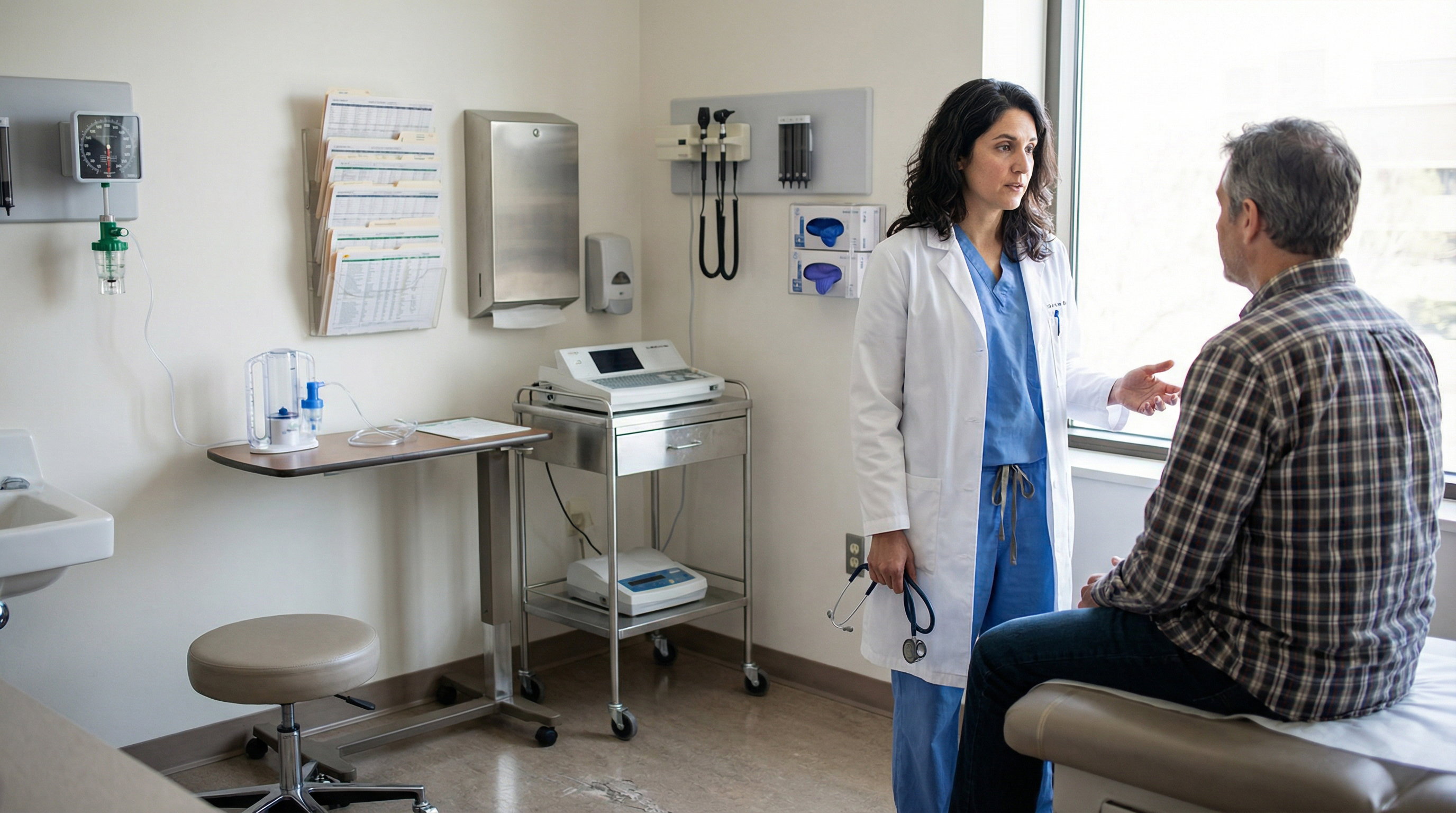
Oncology nutrition is the branch of clinical nutrition practice focused on the dietary and nutritional needs of people who've received a cancer diagnosis — from the point of diagnosis, through active treatment, into recovery, and where relevant, palliative care.
The field exists because generic dietary guidelines don't hold up here. Different cancers affect the body differently. Different treatments (chemotherapy, radiation, surgery, immunotherapy) produce different side effects that directly interfere with eating. And a patient's nutritional needs shift constantly depending on their stage, age, existing conditions, and where they are in their treatment timeline. Oncology nutrition practice is built around personalized, frequently reassessed plans — not a single diet handed out at diagnosis and left unchanged.
Who This Is Typically For
- Patients currently in treatment, dealing with chemotherapy-related nausea, radiation-related swallowing difficulty, appetite loss, or treatment-driven metabolic changes
- Cancer survivors post-treatment, who often continue to deal with digestive issues, fatigue, and weight changes long after active treatment ends
- Oncology healthcare professionals — nurses, oncologists, palliative care teams, and hospital dietitians — who need to understand how nutritional status affects treatment tolerance and recovery
- Registered dietitians looking to specialize, since standard dietetic training typically doesn't go deep enough into oncology-specific nutrition management
- Caregivers and family members preparing meals at home, who benefit from evidence-based guidance rather than guesswork
When Someone Should Consider This
The clinical consensus is clear on timing: nutritional support works best when it starts at diagnosis, not after problems appear. Once a patient has already lost significant weight or muscle mass, rebuilding that is considerably harder than preventing it in the first place. Referrals are especially relevant for patients undergoing major surgery, head and neck radiation, or intensive chemotherapy — all of which carry a high risk of nutrition-impact symptoms. Support is also relevant post-treatment, for survivors who've lost weight or muscle mass or developed lasting digestive changes.
How Nutritional Assessment Actually Works — A Structured Pathway
This is the part most generic articles skip entirely, and it's where the field has real, established rigor. Oncology nutrition doesn't rely on informal judgment calls — it uses validated screening and assessment tools that have been tested against outcomes.
Step 1 — Risk screening. Before any dietary plan is built, patients are screened using a validated tool. The most widely referenced in clinical literature and guidelines (including from ESPEN and ASPEN) include the Nutritional Risk Screening 2002 (NRS-2002), the Malnutrition Universal Screening Tool (MUST), the Malnutrition Screening Tool (MST), and the Patient-Generated Subjective Global Assessment (PG-SGA) — the last of which was purpose-built for cancer patients and is widely treated as a reference standard in oncology settings specifically. More recently, the GLIM (Global Leadership Initiative on Malnutrition) criteria have also been used to standardize malnutrition diagnosis.
Step 2 — Full nutritional assessment. For patients flagged at risk, a fuller assessment follows: current dietary intake, weight history and recent changes, symptoms affecting eating (nausea, pain, taste changes, swallowing difficulty), lab values, treatment details, functional status, and food preferences.
Step 3 — Individualized care planning. From that assessment, a plan is built — this might mean calorie-dense small meals, symptom-specific strategies (for nausea, taste changes, or swallowing difficulty), texture modification, or, when oral intake isn't sufficient, coordinated oral nutritional supplementation or clinical feeding support.
Step 4 — Ongoing reassessment. Because a patient's status shifts throughout treatment, this isn't a one-time plan. Reassessment happens repeatedly as treatment progresses, symptoms change, or a patient's ability to eat shifts.This screen-assess-plan-reassess structure is the backbone of how oncology nutrition is actually practiced clinically — and it's a considerably more concrete way to understand the field than "nutrition matters during cancer treatment," which is where most generic content on this topic stops.
A Worked Example (Illustrative, Not a Real Patient Case)
To make the pathway above concrete: consider a composite, illustrative scenario — not an actual patient — of someone starting radiation therapy for head and neck cancer.
At the pre-treatment screening stage, an NRS-2002 or MST screen flags elevated risk, prompting a full PG-SGA-style assessment. That assessment surfaces that the anticipated treatment site (head and neck) carries a high likelihood of swallowing difficulty and reduced oral intake within weeks — even before symptoms appear. Rather than waiting for weight loss to show up, the care plan proactively addresses texture modification and calorie-dense small-volume foods before the patient's intake actually drops. Reassessment two weeks into treatment shows early swallowing difficulty as predicted, and the plan shifts again toward softer textures and, if intake continues to fall, coordinated oral nutritional supplementation with the treating clinical team.
The pattern worth noticing: the intervention happens ahead of the problem, not after it, because the screening step already flagged the risk. That proactive sequencing — not any single "superfood" or diet trend — is the actual clinical value oncology nutrition adds.
Where Oncology Nutrition Sits Relative to General Clinical Nutrition
| General Clinical Nutrition | Oncology Nutrition | |
|---|---|---|
| Screening approach | General malnutrition risk tools | Cancer-specific tools (PG-SGA) alongside general tools (NRS-2002, MUST, MST) |
| Reassessment frequency | Periodic, condition-dependent | Frequent — tied to treatment cycles and changing side effects |
| Core challenge addressed | General nutrient adequacy | Treatment-induced symptoms (nausea, taste change, swallowing difficulty) layered on top of nutrient adequacy |
| Coordination required | Often standalone | Typically coordinated directly with the oncology treatment team |
| Training required beyond base dietetics | — | Additional specialization, since standard dietetic education doesn't cover this in depth |
Common Misconceptions — And Why They're Worth Correcting
1. Cancer patients should just eat whatever they can tolerate — nutritional value doesn't matter as much during treatment. Tolerability matters, but so does protein adequacy specifically, since maintaining muscle mass during high physiological stress is one of the more consistent findings across the literature. The actual clinical goal is finding a plan that's both nutritionally sound and realistic given what the patient can currently manage — not defaulting to one or the other.
2. Restrictive or alternative diets can help starve the cancer or boost the immune system beyond standard treatment. This is one of the more common and higher-stakes misconceptions. Popular restrictive diets or unregulated supplement regimens adopted during active treatment are not supported by sufficient clinical evidence for these claims, and in some cases can interfere with treatment tolerance or nutritional adequacy. Any dietary or supplement change during active cancer treatment should go through the patient's oncology care team, not be adopted independently.
3. Weight loss during cancer treatment is inevitable and can't really be managed. Screening-and-reassessment-based nutritional support has been shown to reduce unnecessary weight and muscle loss compared to reactive, after-the-fact intervention — which is exactly why current guidelines recommend starting nutritional support at diagnosis rather than waiting for visible decline.
4. If a patient's weight looks stable, they don't need nutritional assessment." Muscle loss (sarcopenia) can occur without visible weight change, since fat and fluid shifts can mask it on a scale. This is precisely why validated assessment tools look at more than body weight alone — it's why weight is a screening trigger, not the full picture.
From Our Side of the Table
At Nufit Redefined, our oncology nutrition course is built around this same clinical structure — screening, assessment, planning, reassessment — rather than teaching oncology nutrition as a list of "good" and "bad" foods for cancer patients, which is how a lot of surface-level content treats the topic. Under Dt. Deepika Bengani, the course is taught using real-life case discussions so that students see how a nutrition plan actually changes across a treatment timeline, not just what a textbook says at a single point in time.
We're also direct with students about the limits of a course like this: completing it builds specialized clinical knowledge, but working with actual oncology patients requires ongoing coordination with a treating medical team — oncology nutrition is never a solo, independent practice area, and no course replaces that clinical coordination.
Frequently Asked Questions
Is oncology nutrition the same as being a general dietitian?
No — it's a specialization on top of standard dietetic or nutrition training. Standard dietetic education typically doesn't go deep into oncology-specific tools, treatment-related symptom management, or coordination with oncology treatment teams, which is why it's usually pursued as additional, focused training.
Can nutrition actually affect cancer treatment outcomes?
Nutritional status affects how well patients tolerate treatment — malnourished patients face higher risk of complications and treatment disruption. Nutrition support isn't a replacement for medical treatment; it's a component that supports how well a patient can get through it.
Is it true that sugar "feeds" cancer, so cutting it out entirely helps?
This is a widely circulated claim without sufficient clinical evidence to support cutting out normal dietary carbohydrates as a cancer-fighting strategy. Restrictive approaches based on this idea can risk inadequate nutrition during a period when adequate intake is especially important. This is a conversation to have with a patient's own treatment team, not a decision to make independently.
When should nutritional support start relative to diagnosis?
As early as possible — ideally at or near diagnosis, rather than after weight loss or treatment complications appear. Proactive screening is a core part of the standard pathway for exactly this reason.
Does this field only matter for patients who are visibly losing weight?
No. Because muscle loss can occur without visible weight change, validated assessment looks at more than weight alone, which is why screening is recommended for all patients, not only those showing obvious signs.
What does Nufit Redefined's oncology nutrition course actually prepare someone for?
It's designed to build the specialized clinical knowledge — validated screening tools, treatment-related symptom management, care coordination — needed to work in or alongside oncology nutrition settings. It's a specialization course, not a standalone license to practice; graduates typically apply this alongside existing dietetic credentials or continue toward further clinical qualification.
Conclusion
Oncology nutrition isn't an adjunct to cancer care — the evidence increasingly treats it as a core part of getting patients through treatment with fewer complications and better quality of life. What separates a serious understanding of the field from a surface-level one is the structure behind it: validated screening tools, systematic reassessment, and close coordination with the treating medical team, rather than generic advice about "eating healthy" during treatment. For anyone learning or teaching this field, that structure — not a list of foods to avoid — is the actual substance worth building expertise around.
