What Role Nutrition Plays in Medical Care
People usually take medical help for diagnosis and medication and clinical treatment, but their daily health results depend on their food intake and their exercise habits and their lifelong eating patterns. In actual situations, people achieve recovery and manage their symptoms and maintain their physical stability through their medical treatments and their body's capacity to absorb and utilize nutrients.The healthcare field has developed its understanding of nutrition as a vital element that supports treatment pathways instead of treating it as an independent wellness practice. People who have chronic diseases and metabolic disorders or who are recovering from medical procedures experience changes in their appetite and stomach problems and decreased ability to absorb nutrients. The environmental conditions, structured nutrition support enable medical staff to establish a link between their patients' dietary choices and their treatment process, which shows how specific dietary recommendations help patients maintain their health condition.
Key context points:
- Health outcomes depend on both treatment and daily nutrition.
- Medical conditions can change appetite, digestion, and nutrient use.
- Nutrition support functions alongside clinical care, not apart from it.

What Is This Service / Concept?
Medical facilities component dedicated to nutrition support provides patients with dietary programs that help them reach their nutritional requirements during their medical treatments. The process includes assessing food consumption patterns to find nutritional gaps which leads to creating meal plans that satisfy medical dietary needs.Support for patients with metabolic disorders relies on their complete medical records, their current metabolic condition, any medications they take, and their ability to digest food. In many cases, this process also includes health education for diabetes, helping patients understand how nutrition choices affect blood sugar control and overall metabolic stability. When people face difficulties with eating normal food, their treatment may involve developing an oral diet plan, providing dietary supplements, and creating special feeding methods. The purpose of nutrition support is to help patients sustain their bodily strength, which enables them to respond better to medical treatment.
Core concept elements:
- Focus on medical-aligned nutrition rather than general wellness diets.
- Guidance shaped by diagnosis, metabolism, and treatment stage.
- Works as a complementary layer within healthcare.
Who Is This Typically For?
Nutrition support is relevant to various health conditions. People who have chronic diseases such as diabetes and cardiovascular diseases and gastrointestinal diseases and kidney diseases and hormonal disorders need this treatment. The situations require precise nutrient tracking because they need to maintain their metabolic equilibrium.The condition exists during high medical treatment and recovery periods which include surgery and cancer treatment and extended hospital stays that affect appetite and digestion. Structured nutritional evaluation helps older adults and people on restricted diets and those who experience unexpected weight changes.
Typical groups include:
- People managing long-term medical conditions.
- Individuals undergoing treatment or recovery.
- Older adults or those with dietary limitations or weight instability.
When Should Someone Consider This?
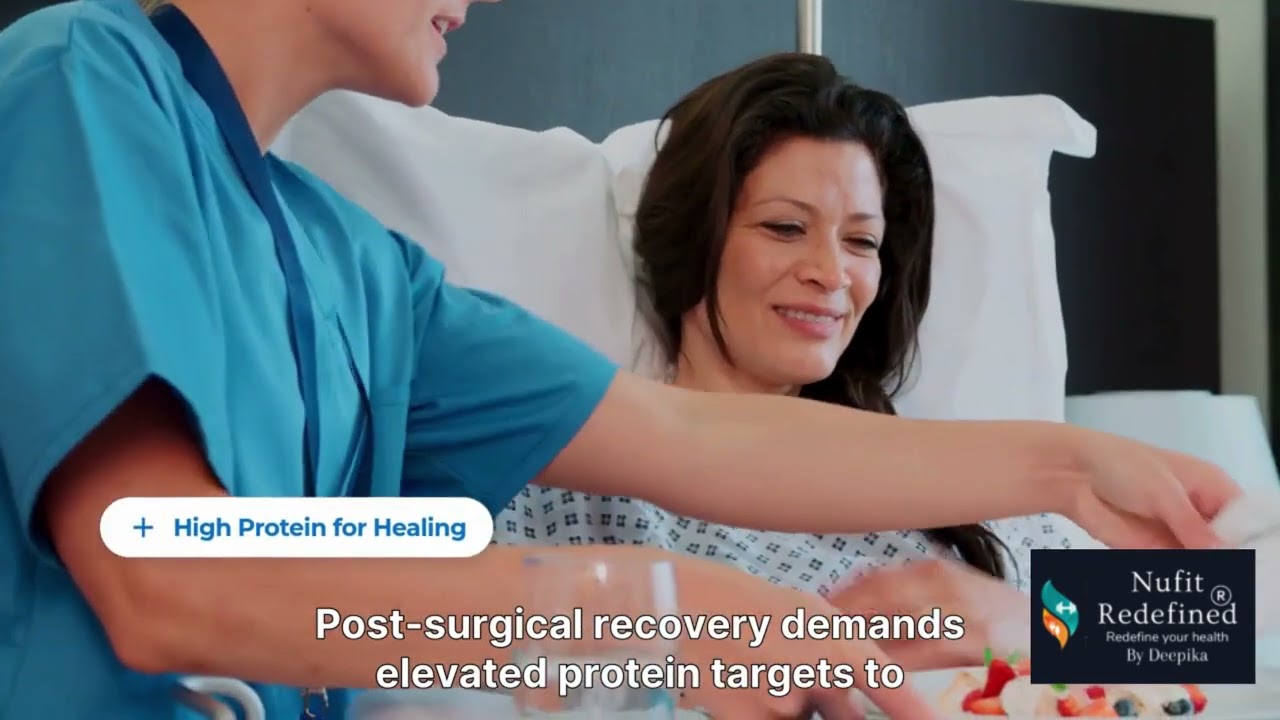
Healthcare providers initiate nutritional assistance when patients experience significant health shifts or dietary modifications. Patients require dietary treatment when they receive a medical diagnosis that mandates food limitations or their medical symptoms disrupt regular eating habits. The need for nutritional assessment arises when people experience fatigue together with appetite loss and digestive issues and they develop unexplained weight changes.Patients require additional nutrition after they have undergone surgery or experienced an illness which demands a strategic dietary plan to support tissue regeneration and immune system function and weight management. The implementation of proper nutritional alignment before medical problems develop generally leads to improved long-term management of health conditions.
Common timing indicators:
- Diagnosis affecting diet or metabolism.
- Symptoms disrupting appetite or digestion.
- Recovery stages requiring higher nutrient support.
- Early management of chronic conditions.
How the Process Usually Works
Nutrition support typically follows a step-based structure. The process starts with an evaluation of medical history and current medications and lifestyle choices and existing dietary practices to determine potential nutritional deficiencies. The next step involves evaluating dietary consumption patterns and nutrient distribution and hydration levels while considering laboratory test results when applicable.The research results lead to the development of a customized dietary program which takes into account cultural dietary practices and individual food choices and digestive abilities and medical treatment times. The continuous observation of patients' health enables doctors to modify their treatment plans because nutrition support requires ongoing assessment which changes according to patient needs.
Process overview:
- Initial medical and dietary assessment.
- Nutritional analysis using intake and clinical indicators.
- Personalized meal and nutrient planning.
- Continuous monitoring and modification.
Nufit Redefined works with patients who need medical nutrition therapies because their health conditions require ongoing support to achieve better health results. Their work involves understanding dietary needs which must be met during both treatment and recovery periods. The organization provides services which help healthcare professionals by serving as additional support to their main treatment approaches.
Common Misconceptions or Mistakes
The common misunderstanding about medical nutrition states it requires people to stop eating particular foods yet proper clinical support provides complete nutritional needs and suitable metabolic support. The practice of excessive dietary restrictions without professional assistance leads to nutritional deficiencies which result in decreased vitality. The public believes that only severe medical conditions require dietary guidelines yet early dietary adjustments can enhance treatment tolerance while decreasing medical complications. The public confuses general dietary patterns with nutrition practices that medical professionals prescribe which they base on bodily functions and clinical signs instead of appearance-related objectives. People believe that making temporary dietary modifications will solve their health problems although most medical conditions need patients to follow consistent dietary patterns for extended periods while their health condition is observed.
Clarifying points:
- Medical nutrition emphasizes balance, not just restriction.
- Early support can be beneficial, not only late-stage care.
- Clinical guidance differs from popular diet trends.
- Long-term consistency is usually necessary.
Conclusion
Medical treatment depends on nutrition because it helps patients recover and control their medical symptoms and achieves enduring health results. The structured nutrition support system helps medical professionals diagnose and treat patients by maintaining their internal balance during times of physical stress and health changes. The process of nutrition support implementation requires understanding which people will benefit from support at specific times and what the process entails. Through time, people experience treatment and recovery and daily life in ways that nutrition will always remain a crucial factor.
