Why Most Diet Plans Fail After a Few Weeks — And What Actually Works Instead in 2026
The experience is familiar to a large number of people. The new diet plan begins with motivation through its system of precisely prepared meals which restrict specific foods and monitor calorie intake while its users pursue their complete dietary objectives. The system continues to operate effectively during its initial two-week period. The system appears to be achievable because the initial results provide positive feedback.The period between the second week and the fourth week marks the time when the speed of progress stops. A person breaks their commitment because they miss their scheduled meal and attend social events and experience a stressful week and deal with the exhaustion that comes from their dietary restrictions. The dietary plan which seemed easy to maintain at first has turned into a weight that I must carry. People return to their previous eating behaviors within a few weeks after they stop following the diet.The pattern emerges as a common occurrence. Research shows that most people who start structured diet plans will stop following their diets within one month. The research shows that most people who start structured diet plans will not stick to their diets for the first month. Only a small percentage of individuals succeed to maintain their dietary changes which require long-term commitment needed for permanent body composition and metabolic health improvements.The pattern exists because people need to understand its repetition together with the evidence which shows effective replacements for the existing system. The pattern exists because people need to understand its repetition together with the evidence which shows effective replacements for the existing system. The pattern exists because people need to understand its repetition together with the evidence which shows effective replacements for the existing system. The pattern exists because people need to understand its repetition together with the evidence which shows effective replacements for the existing system.
What Is a Diet Plan?
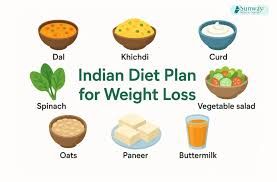
A diet plan, in its most general sense, is a structured approach to food intake that defines what to eat, how much, and in some cases when, in order to achieve a specific health or body composition goal. The common objectives of the program include weight loss, weight maintenance, muscle development, better metabolic health through improved blood sugar and cholesterol levels, and effective treatment of a particular medical condition.Diet plans exist in multiple forms because they offer different methods of approaching weight management through their various eating patterns which include both calorie restriction and macronutrient-based systems and elimination diets and time-restricted eating and whole-food and plant-based dietary methods. The two approaches establish a structured system that replaces existing patterns which people used to select their food based on their personal preferences and dietary customs and their need for quick access to snacks.The Indian diet system requires people to handle its food traditions which feature high carbohydrate content and family-based dining customs and special rituals that dictate which foods should be eaten at specific times. The dietary system needs to create its own unique framework for effective diet implementation because it needs to study how different elements of food culture create their own distinct patterns throughout the observation period.
Who Typically Engages With Diet Plans?
Diet plans exist to help multiple groups of people who need to control their weight for health purposes or doctors who treat them for medical conditions or athletes who need to improve their performance or people who want to recover from their eating disorder.The main group that uses diet plans consists of adults who want to enhance their appearance and physical abilities and their overall health status who do not have a diagnosed medical condition. The group contains working professionals who lack time to prepare meals and new parents who must adjust to their altered schedules and decreased sleep and people who need to regain their health after being inactive and midlife adults who deal with metabolic changes.A diet plan gains importance according to specific situations. The need for dietary changes arises when health indicators which include weight and blood sugar and blood pressure and energy levels show that a person's present eating habits fail to maintain their health. The need for change becomes important when a person understands that they need to change but they lack the necessary knowledge and framework to achieve their goals.
When Does Diet Plan Failure Typically Occur?
The points at which diet plans break down occur at specific times and through established mechanisms. The first is the restriction-rebound cycle. The diet plans which prohibit all preferred foods and require extreme daily caloric reductions create a situation which people find impossible to maintain because it leads to both physical and mental deprivation. The rebound process which follows adherence breakdowns leads people to consume more of their formerly forbidden foods than they did before their dieting period.The second issue results from the lack of established methods for people to control their behavior. A diet plan addresses what to eat, but it fails to provide solutions for people who must control their food intake according to specific dietary requirements. The implementation of new dietary changes fails to succeed because people continue to follow their existing patterns of behavior which already exist as their primary mode of eating. The third is poor contextual fit. A diet plan created without considering a person's actual eating habits and daily routines and abilities to cook and traditional dietary customs and social dining customs will force the individual to struggle against their typical patterns throughout the day. The plan's sustainability decreases according to the amount of existing conditions which the plan requires to be altered.The fourth is an outcome timeline mismatch. Most people expect visible results within a timeframe that does not align with the biological pace of meaningful change. When results do not appear as quickly as expected, motivation erodes even when the plan itself is sound.
What Actually Works: How Sustainable Nutrition Change Functions
The approach that evidence consistently supports for long-term dietary change differs from most commercial diet plans in several important ways.The first distinguishing feature is individualization. Effective nutrition change is calibrated to the specific person — their metabolic profile, their food preferences, their cultural context, their schedule, and their relationship with eating. The application of generic plans across different people results in different outcomes because of their unique characteristics.The second is behavioral focus. Sustainable change addresses the habits, environments, and psychological patterns around eating, not only the eating itself. The program includes meal timing structures which operate inside current routines, environmental modifications that facilitate healthy selections, and methods to control both emotional and social aspects of food.The third implementation method involves step-by-step execution. Plans that introduce significant changes all at once create more friction and require more willpower than plans that build new behaviors incrementally. The research shows that small changes which people maintain through time produce better results than people who attempt major changes which need their full effort to accomplish.The fourth is flexibility within structure. The approaches that have built-in methods to assist people with social eating and their food choices and their occasional need to break routine show better sustainability than those which consider any deviation from norm as complete failure. Rigid compliance demands create psychological stress which leads people to stop following through on their commitments. The platform Nufitredefined partners with users who want to achieve sustainable dietary changes and permanent lifestyle transformations to create customized nutrition plans and health coaching services which support weight control and metabolic enhancement and sustained dietary pattern establishment. Nufitredefined develops its diet planning system through three main factors which include the user's personal situation and their ability to maintain treatment and the desired health results that go beyond temporary treatment success.
Common Misconceptions
A widespread belief exists that people cannot stick to their diet programs because they lack self-control and dedication to their goals. Most failures in life occur because people create systems which do not work rather than based on their personal qualities. People will not succeed with their plans because they are too restrictive already and they do not match actual situations and they need both active dedication and active effort to work. The design failings of a system lead to repeated cycles of the same unproductive approach because people direct their failure blame toward individual errors.The false belief exists that people will achieve better and longer-lasting results through implementing more rules. The outcomes of restrictions show a non-linear relationship with their implementation. The body responds to higher levels of restriction by displaying more rebound effects and producing higher cortisol and stress levels that lead to treatment dropouts. People achieve better results through moderate reductions which they can maintain than through aggressive temporary restrictions according to research on long-term outcomes.People believe that dietary results from one person should produce identical results in another individual. People have different metabolic rates and gut microbiomes and insulin sensitivity levels and eating habits and their personal behavior patterns which lead to different dietary outcomes from research studies. The successful method requires personalized assessment since established plans from other people's experiences do not produce consistent results.

Conclusion
Most diet plans fail after several weeks because people choose these plans through their process of making decisions about which methods to use for weight loss through short-term food restrictions instead of developing permanent lifestyle changes and they choose methods which work for everyone except for their specific situation and they select methods which create major changes instead of developing permanent eating patterns. The information environment about diet and nutrition has reached its most complicated state because it contains more information and presents more conflicting information than in any previous time. The plans that actually produce lasting change are not necessarily the most visible or the most promoted. The process establishes a framework which functions under actual life conditions because it uses their complete food culture and personal schedule and individual preferences and eating behavior patterns to create their personal dietary framework. Understanding diet plan failures provides essential knowledge which helps people select or create effective dietary methods.
